
🟢 SBTi Net Zero Standard 2.0

What’s in this week’s newsletter:
SBTi releases its Net Zero Standard 2.0
Europe expands its Carbon Border Adjustment Mechanism (CBAM)
The Iran War accelerates the business case for electrification
CDP splits into nonprofit and commercial organizations
Trump’s wind power vendetta continues
Keep Sustainability Simplified free and independent. Make a pledge here.
With more than 11,000 companies now having verified targets, the Science-based Target Initiative (SBTi) is the global gold standard for setting emissions-reduction goals. Last week, it released the next iteration of its Net Zero Standard.
The Net Zero Standard 2.0 is a major revision with 42% of the standard completely net-new and the remaining 58% modified from the first version. The main changes are summarized here:
This standard provides a renewed focus on implementation. The V2 is designed to help companies make decisions that advance their decarbonization goals and provides an implementation hierarchy.
Companies can now make “best efforts” toward the goal without losing their verification, provided they can demonstrate they took good-faith action toward their goal.
Companies can now set separate targets for Scopes 1, 2, and 3. Previously, Scope 1 and 2 were combined.
The Ongoing Emissions Responsibility (OER) Framework provides greater clarity on the use of high-integrity carbon credits, which will be required after 2035 to neutralize residual emissions.
A tiered approach for smaller companies (SMEs) and developing markets:
Category A: >€50m turnover in high-income countries; >€450m in lower-income countries.
Category B: SMEs (<€50m turnover) in all markets; companies in lower-income countries with <€450m turnover.
SBTi Chair Francesco Starace said in the V2 standard foreword that it “is designed to be a navigation tool for companies to manage their transition risk and unlock economic benefits in the world as it actually is.”
All companies establishing SBTi goals must use these standards from January 31st, 2028, but can use them voluntarily from January 31st, 2027. Companies with existing accredited targets will use the new standard, based on their mandatory five-year review trigger date.
David Kennedy, Chief Executive Officer at the SBTi, said: “We are at a critical moment for climate action: companies have told us that they need a partner that can help foster implementation, and that’s what the Corporate Net-Zero Standard Version 2.0 is designed to do.”
GHG Protocol (GHGP) and SBTi are committed to collaboration, building on years of working together. This will be especially important as we move into a critical time for climate action and as the GHGP releases multiple new standards, including a revised Scope 2 standard and the Actions and Market Instruments standard. GHGP has pledged to continue to collaborate and promote harmonization with its revised standards as they evolve.
2. CBAM Expansion
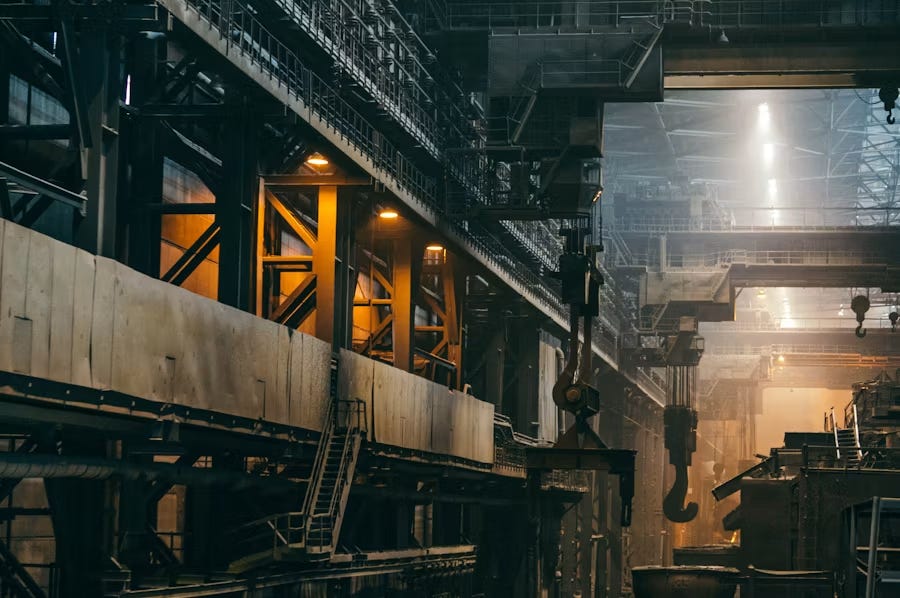
The world’s first climate import tax, Europe’s Carbon Border Adjustment Mechanism (CBAM), has been collecting tariffs since the start of the year. However, significant loopholes have allowed some producers of covered products (steel, aluminum, electricity, hydrogen, cement, and fertilizers) to evade the costs. To close these loopholes and prevent circumvention of the tariff, the EU Council agreed this week to add 200 new finished products to the tariff.
The move will bring an additional €160bn in annual imports under the tariff and will come into effect in 2028 if it can be successfully negotiated with the EU Parliament. EU Commissioner for Climate Wopke Hoekstra hailed its progress, saying, “This is truly excellent news for beefing up the level playing field. Industry has rightfully asked for these fundamental changes. We are delivering on them quickly.”
While Europe is using the CBAM to reduce climate emissions both within the Union and globally, it is also part of a wider attempt to improve Europe’s industrial competitiveness.
On the domestic front, the Commission is considering extending the Emissions Trading System’s free credit scheme, introduced in response to the energy shock of the Iran war, from 2039 to the 2040s. The proposal is set to be released on July 15th, and credits are expected to be available to companies investing in European markets.
Some companies that have already invested in decarbonization feel like they are being punished. Finnish steel producer Outokumpu’s VP of sustainability, Heidi Peltonen, said, “We have invested and started the journey. Loud voices haven’t, and we hope there’ll be a reward for the first movers.”
3. Decarbonization Becomes a Business Priority
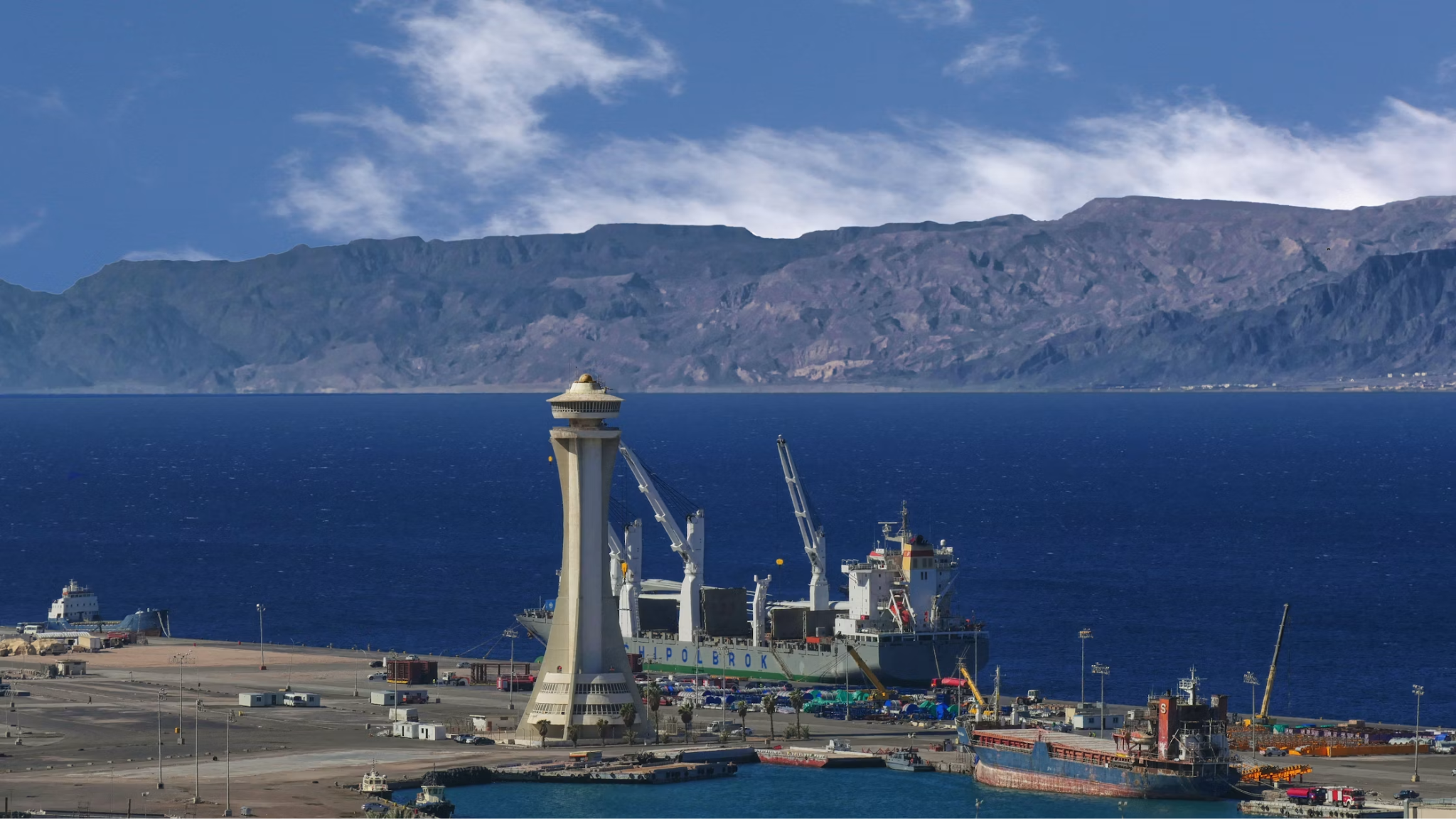
As the Iran War comes to an end and the Strait of Hormuz begins to reopen, the world on the other side is very different. The oil- and gas-based economy of the past has been irrevocably replaced by one that prioritizes electrification and renewable energy.
Renewable energy companies have seen a surge, with batteries driving most of the new energy sector investments in recent months. Neon Chief Executive Xavier Barbaro said the Iran War oil shock was “a useful reminder of the importance of having green energy, sovereign energy, local energy, competitive energy.” But warned that momentum may not continue if oil and gas prices come back down.
For businesses, electrification and decarbonization have become an imperative. A recent survey conducted when the Strait was still closed revealed that 90% expect their operations to be largely electrified by 2035 and that moving to a renewables-based electricity system is likely to boost economic growth. 79% said that geopolitical instability has made it more urgent for their businesses to shift to electrification.
4. CDP Splits
CDP, formerly the Carbon Disclosure Project, is the largest voluntary framework for environmental disclosures. After a quarter of a century, CDP has grown into a fundamental part of how companies, investors, and cities disclose and rate their environmental performance. This week, the non-profit announced a major shake-up, with private equity firm Permira taking a majority stake in a new for-profit business and splitting the company into two.
The non-profit side of the business will now be called the CDP Foundation, which will continue to focus on world-leading science and the evolution of the disclosure framework. The foundation will also hold a minority share in the new commercial side of the business.
CDP, a commercial business, will work collaboratively with the Foundation but will focus on delivering a seamless disclosure system and providing useful data for business decision-making. CDP Chief Executive Sherry Madera said, “This is a transformative moment, marking the next chapter of CDP’s evolution in service of global markets. CDP and CDP Foundation will be united in shared ambition. Together, they will uphold a pioneering disclosure system that will help unlock greater decision-useful insights to shape an Earth-positive economy.” The move will have no impact on the 2026 disclosure cycle, which opened on Monday.
5. More Wind Power Payoffs
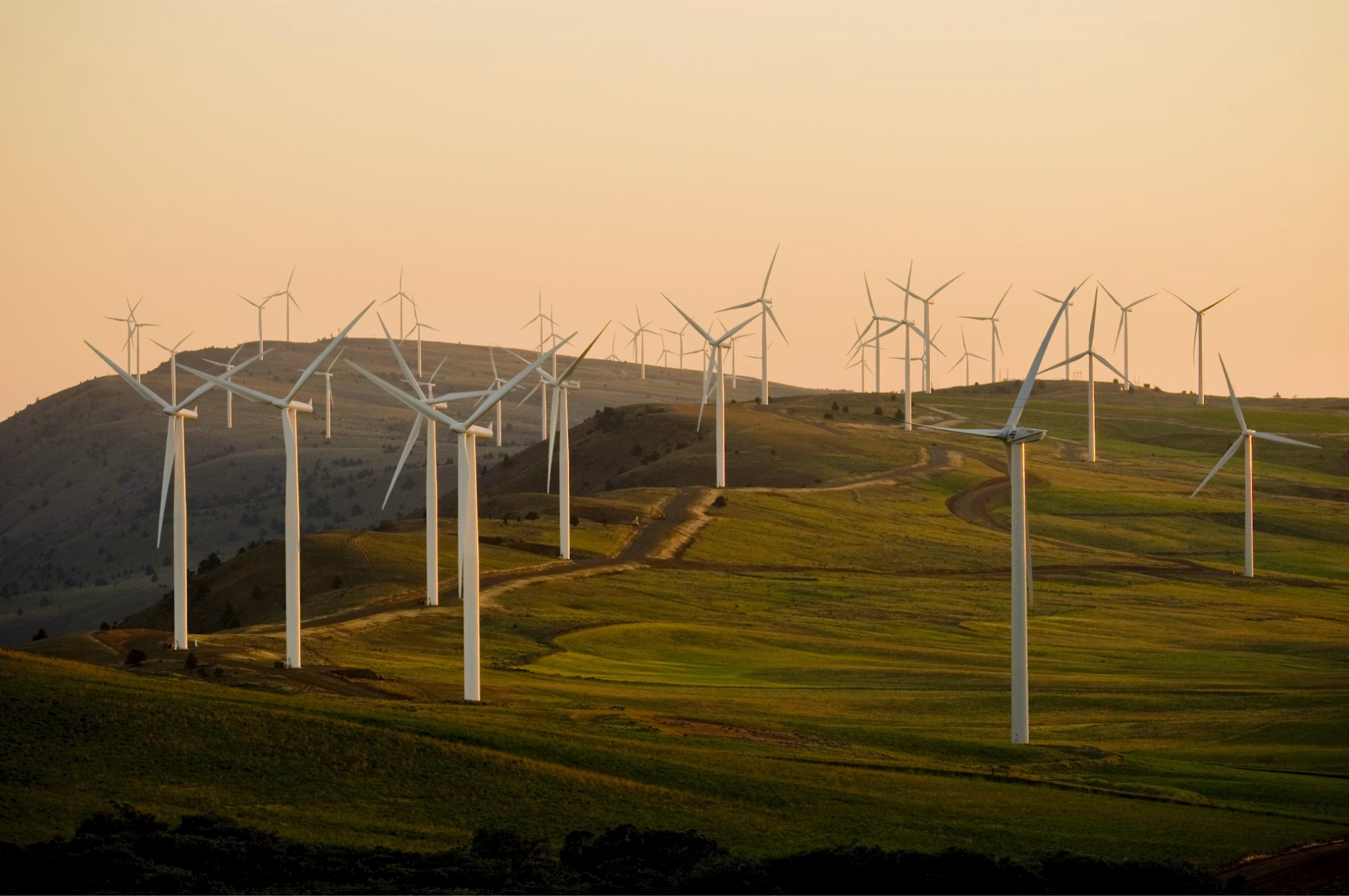
The Trump administration continued its vendetta against wind energy, paying more energy developers to abandon wind projects and redirect their investments elsewhere. The government will pay Invenergy $765 million to give up four offshore wind leases. In exchange, the company said it will invest in natural gas and geothermal projects.
The agreement follows similar deals involving other offshore wind developers and a concerted effort by the Pentagon to delay projects through military reviews, a process that was previously a formality, but has delayed every current US wind project. Now, a coalition of wind developers has asked a federal court to order the Pentagon to resume reviews of the more than 100 stalled projects across 21 states.
The views expressed on this website/weblog are mine alone and do not necessarily reflect the views of my employer.
Other Notable News:
Climate Investing
Climate Litigation
Supply Chain Rules
Notable Podcasts:
In this week’s The Climate Rising podcast, the theme is all around how AI is reshaping how companies think about sustainability. It features an interview with IBM’s Chief Sustainability Officer, Christina Shim, who shares how new technologies such as AI, cloud infrastructure, and emerging areas like quantum computing are transforming corporate sustainability.
In this week’s episode of the BBC’s The Climate Question, they ask what climate change will do to insects. With insects playing such a critical role in global ecosystems, impacting the spread of diseases and food webs, this episode asks what a warmer world looks like for them.